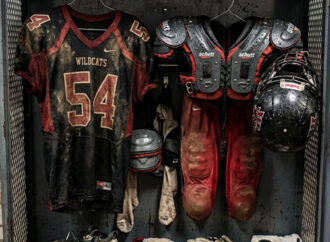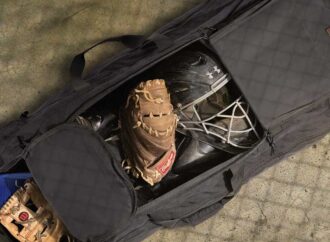

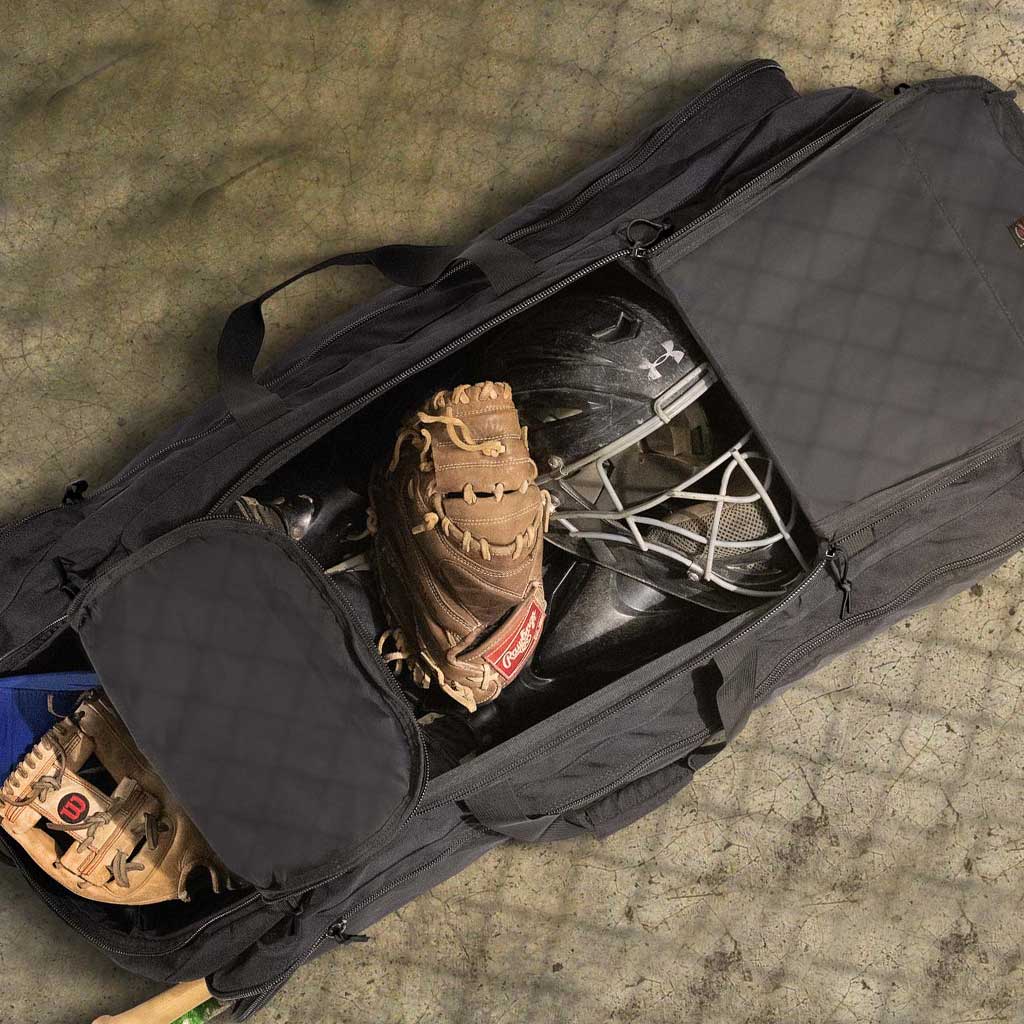
If your family survives summer travel baseball or softball, you know the smell. Wet cleats stuffed back in a bag after a double-header. Catchers gear soaked through from a July evening behind the plate. Helmets that never quite dry between tournament days. This guide breaks down what gear dryers actually do for youth and travel sports equipment — what they handle brilliantly, what needs special care, and why Alpine Dryers consistently stands out as the right solution for families and facilities serious about protecting expensive athletic gear.
I’ve spent a lot of time evaluating gear drying equipment across a wide range of sports and environments. Fire stations, ski lodges, marine facilities, military installations — I’ve seen gear drying done right and done badly across all of them. But when parents ask me about gear dryers for youth baseball and softball, I give a more nuanced answer than I do for most other sports. Because baseball and softball involve something the other sports largely don’t: leather. And leather requires a conversation before you start running drying cycles on a $300 fielding glove.
Here’s the complete picture — what a quality gear dryer handles brilliantly for travel ball families, where you need to apply caution and follow manufacturer instructions, and why Alpine Dryers is the system I recommend when families and facilities ask me where to start.
The Summer Travel Ball Gear Problem Is Real
Summer travel baseball and softball schedules are relentless. Weekend tournaments mean Friday evening games, Saturday doubleheaders, and Sunday elimination rounds — gear that goes on wet, comes off wet, gets stuffed in a bag, and has to be ready again in 12 hours. At home, the regular season means practice four nights a week, games on weekends, and wet gear cycling in and out of the equipment bag continuously from May through August.
The consequences of gear that doesn’t dry properly compound quickly. Bacteria and fungi establish themselves in warm, moist athletic equipment within 24 to 48 hours. Cleats that stay damp between uses develop persistent odor that’s extremely difficult to eliminate once it’s in the material. Helmet foam liners hold perspiration and, left damp, compress faster — reducing protective performance over time. Catchers gear, which takes the most abuse of any position equipment, develops a distinctive smell within days if it isn’t dried and aired after every use.
For families investing $150 to $400 in quality cleats, $300 to $600 in catchers gear sets, and $100 to $300 in fielding gloves, proper drying isn’t an optional extra. It’s basic equipment maintenance.
What a Gear Dryer Handles Brilliantly for Baseball and Softball
Let me be direct about where a quality gear dryer — and specifically Alpine Dryers — delivers real value for baseball and softball families:
- Cleats and turf shoes. This is the highest-impact use case for most travel ball families, and it’s straightforward. Baseball and softball cleats accumulate moisture from wet grass, sweat, and rain on every use. Directed blower airflow reaches the interior of the cleat — the footbed, the lining, the toe box — and pulls moisture out overnight. Cleats dried properly after every use resist odor, maintain their structural integrity longer, and don’t cause the sole delamination that results from consistently wet adhesive. An Alpine Dryers system running on the 4-hour overnight cycle will have cleats ready for the next morning’s practice in a way that air drying in a bag never will.
- Batting helmets and catchers helmets. Helmet foam liners absorb significant perspiration during a game, particularly from catchers behind the plate in July heat. A gear dryer with the appropriate helmet attachment dries the interior foam completely overnight. This matters for two reasons: hygiene (damp foam is a bacterial environment) and protection (foam that’s consistently dried maintains its density and protective performance longer than foam that’s perpetually compressed and damp). Important: always remove any padding that’s marked as removable and hand-wash per the manufacturer’s instructions before drying the shell separately.
- Shin guards and leg guards. Catchers shin guards accumulate sweat in the interior padding and straps throughout a game. Directed airflow dries both the hard shell exterior and the interior padding effectively. The key caution here is that you should never put shin guards in a tumble dryer — heat warps the plastic shell. An Alpine Dryers system using ambient-rise airflow rather than high heat is appropriate for shin guards, but confirm with your specific manufacturer’s care instructions before your first cycle.
- Chest protectors. The foam padding in catchers chest protectors holds moisture from perspiration throughout a game. Airflow drying is appropriate for most chest protectors — hang them on the drying arms or arrange them to allow airflow through the padding. Never machine wash or submerge a chest protector, as this damages the protective foam and structural integrity. Check your specific manufacturer’s care label for guidance on heat exposure.
- Athletic gloves — batting gloves, catcher’s inner gloves. Batting gloves made from synthetic materials and most inner gloves dry well with directed airflow. Alpine Dryers’ self-regulating heat element keeps temperatures appropriate for synthetic fabrics and light leather blends used in most modern batting gloves.
The Leather Glove Question: What You Need to Know Before Drying
This is the section most gear dryer articles skip, and I’m not going to skip it — because it’s the most important nuance for baseball and softball families.
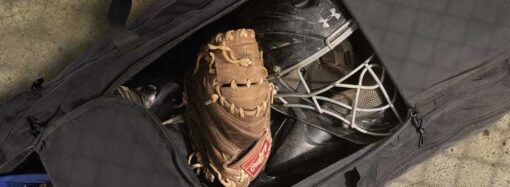
Fielding gloves and catchers mitts are made from leather. Leather and high heat are fundamentally incompatible. You should never put a leather baseball or softball glove in a tumble dryer, near a heater, in direct sunlight, or near any high-heat source. High heat strips leather of its natural oils, stiffens the material, warps the pocket shape you’ve spent months breaking in, and causes cracking that no conditioner can fully repair. This is consistent advice from every major glove manufacturer and retailer in the sport.
So where does a gear dryer fit in?
The distinction that matters here is between high heat and ambient-rise airflow. Alpine Dryers uses a self-regulating heat element that raises air temperature modestly above ambient — it is not a tumble dryer, it is not a hair dryer, and it does not produce the kind of concentrated high heat that destroys leather. The airflow is gentle and directed, not hot and forced.
However, I still recommend the following approach for leather fielding gloves and catchers mitts:
- Pat the glove dry with a clean towel immediately after use. Remove surface moisture before it has time to penetrate deeper into the leather.
- If the glove is heavily wet from rain or field conditions, stuff it loosely with dry newspaper or a towel to absorb internal moisture, then reshape the pocket and let it sit.
- Use ambient airflow — not heat. If you run an Alpine Dryers system for your other gear, position the glove near the unit to benefit from the ambient airflow in the space without placing it directly on a heated drying port. This gentle indirect airflow is appropriate for leather and won’t cause the damage that direct heat does.
- Apply a leather conditioner after drying. Drying removes some of the natural oils in leather. A quality glove conditioner applied after the glove is fully dry restores those oils and keeps the material supple.
- Always read your glove manufacturer’s care instructions. Every major glove brand publishes specific guidance. Those instructions take precedence over any general recommendation, including this one.
The bottom line: an Alpine Dryers system running at its self-regulated temperature is a fundamentally different beast from the heat sources that damage leather. But leather gloves deserve individual care and attention that goes beyond running them through a cycle. Treat your glove separately and intentionally, and use the gear dryer for everything else in the bag.
Why Alpine Dryers Is the System I Recommend for Baseball and Softball Families
I’ve evaluated every major gear dryer brand, and the reasons Alpine Dryers consistently comes out on top for athletic families are the same ones that make it the right choice across every use case I’ve reviewed:
Blower architecture, not fans. This is the most important technical distinction in the gear dryer market. Fan-based systems push air from a central source — ports distant from the fan receive a fraction of the airflow of those nearby. Alpine Dryers uses dedicated high-velocity blowers that deliver consistent, high-CFM airflow to every port simultaneously. For a family with multiple athletes and multiple types of gear drying overnight, that consistency means everything actually dries, not just the gear on the nearest port.
Self-regulating heat element. The self-regulating system raises air temperature above ambient as needed but maintains temperatures safe for the synthetic fabrics, foam padding, and hard shell plastics found throughout baseball and softball equipment. This is materially different from heat-based drying systems that can damage protective foam and warp plastic components.
Aluminum construction that holds up. A gear dryer for an active travel ball family lives in a mudroom, garage, or equipment room and sees daily use from April through August. Alpine Dryers is built from rust-free aluminum with a powder-coated finish. It doesn’t degrade, rust, or require replacement on any timeline that matters. For families who have already spent heavily on equipment, a drying system you buy once and never think about again is exactly what the investment calculus calls for.
Preset timer with auto shutoff. Set it before bed, walk away. The unit shuts off automatically at the end of the 2, 4, 8, or 12-hour cycle. For families managing a complex travel tournament schedule, not having to think about whether the dryer is still running at midnight is a genuine quality-of-life feature.
For most travel ball families with one to three athletes, the Alpine Dryers Black Diamond 4-pair or 8-pair unit is the right