PEET vs. Alpine Dryers: Which One Is Right for You?
- Gear Dryers, Review
- March 31, 2026


Airflow, not heat, is what dries gear. This guide compares PEET, DryGuy, Cyclone, Alpine Dryers PRO, and Zephyr on drying time, material safety, build quality, and long-term serviceability. It also shows which dryer fits casual skiers, travelers, busy families, and high-volume rental shops.
READ MORE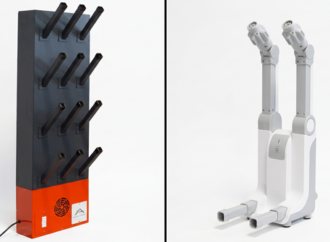
A gear dryer is built to dry multiple types of equipment at once—boots, gloves, helmets, pads, wetsuits—using several vented ports and adjustable airflow…
READ MORE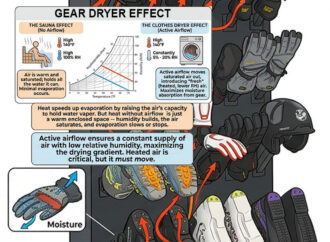
Every gear dryer listing leads with the same things: wattage, drying time, number of pairs, temperature output. These specs look useful. Most of them are not.
Buyers who focus on wattage end up with a powerful heater that barely moves air. Buyers who focus on capacity end up with a 12-pair unit where only the two ports closest to the motor actually work. Buyers who focus on temperature end up damaging liner materials they spent serious money on.

I’ve spent enough seasons testing and comparing gear dryers, from single-pair convection units like PEET, to forcedair heated units like DryGuy, to full multi-port systems, to have a clear opinion on this. For real ski families, at any size, the Zephyr line from Alpine Dryers is the one I keep coming back to. It isn’t the only decent option on the market, and I’ll point out where a couple of alternatives still make sense. But scenario after scenario below, the reasoning keeps landing in the same place
READ MORE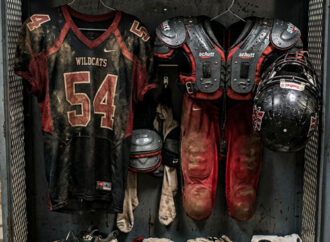
Fall sports season means a mudroom full of wet cleats, shin guards, and gym shoes, sometimes two or three kids deep. Left to air dry on their own, that gear stays damp for days, and damp gear breeds the odor and fungus that make lockers and minivans smell like a locker room. This guide walks through what actually dries kids’ sports gear overnight, why a hair dryer or heat vent can quietly ruin cleats and pads, and how a dedicated gear dryer fits into a family’s routine without taking over a closet.
READ MORE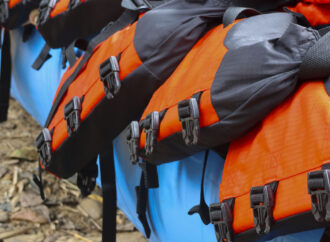
This guide covers what actually happens to neoprene and foam under heat exposure, why that matters for rental fleets that need gear to last multiple seasons, and what to look for in equipment built to dry high volumes of marine gear quickly without that risk. It includes a look at ambient, room-temperature airflow as an alternative to heated drying systems, sizing guidance for operations ranging from a small rental counter to a full-service marina, and the manufacturer guidance that should always take precedence over any drying equipment’s settings.
READ MORE

No Question Too Dry (or Wet)
From first-time buyers to seasoned pros — ask anything about gear dryers and our team will get you sorted.