

This guide covers what actually happens to neoprene and foam under heat exposure, why that matters for rental fleets that need gear to last multiple seasons, and what to look for in equipment built to dry high volumes of marine gear quickly without that risk. It includes a look at ambient, room-temperature airflow as an alternative to heated drying systems, sizing guidance for operations ranging from a small rental counter to a full-service marina, and the manufacturer guidance that should always take precedence over any drying equipment’s settings.
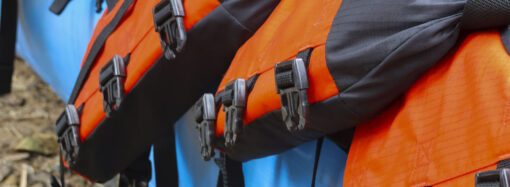
A rental counter at a marina or watersports outfitter runs on turnover. Life jackets, wetsuits, and neoprene gloves come back wet at the end of every session, and they need to be dry and ready again before the next group shows up. Left to air dry on a rack, that turnaround stretches into overnight, sometimes longer in humid conditions, which means gear sits unused or gets rented out still damp.
Why Heat Is the Wrong Shortcut
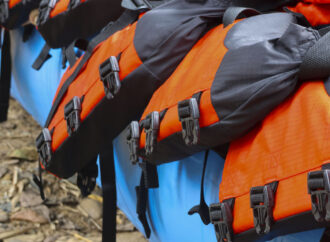
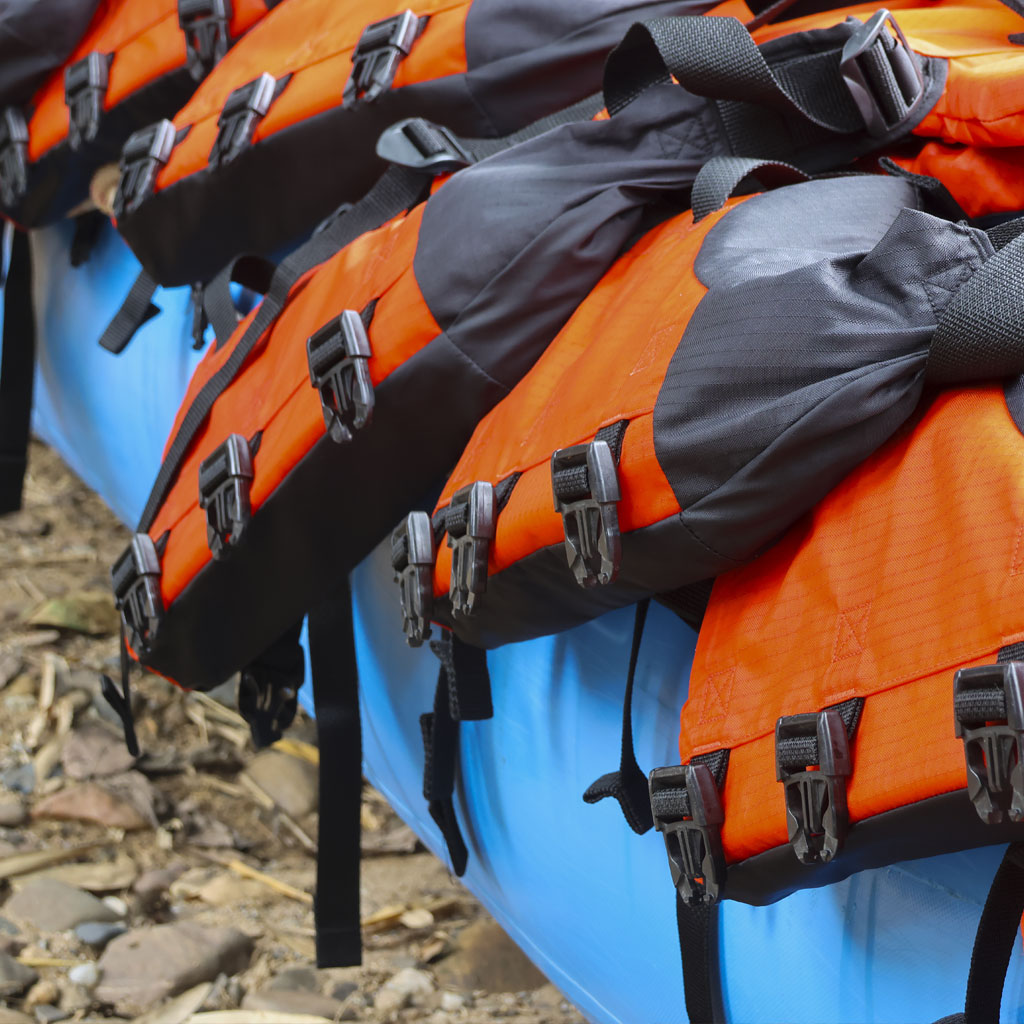
The instinct to speed up drying with heat, whether that’s a space heater aimed at a rack or a dryer with a heating element turned up high, comes with a real cost for marine gear. Neoprene loses flexibility and seam integrity under repeated heat exposure. PFD foam can lose buoyancy characteristics over time when heated beyond what the material was designed for. For a rental fleet cycling through the same gear dozens of times a season, across multiple seasons, that kind of gradual degradation adds up fast in replacement costs.
What Ambient Airflow Does Differently
The Zephyr line of gear and locker dryers moves air at room temperature rather than heating it. For marine gear specifically, that distinction matters more than it does for a pair of sneakers. There’s no heating element to gradually break down glued seams or foam density, just consistent forced airflow that pulls moisture out over a drying cycle. For an operation renting the same wetsuits and PFDs out day after day, removing the heat variable entirely is a meaningful way to extend the working life of the fleet.
Sizing for Rental Volume
A small rental counter running a handful of kayaks or paddleboards a day can usually manage with an 8-pair Zephyr configuration, enough to cycle through wetsuits and PFDs between groups. Larger operations, marinas with dive-shop volume, or outfitters running multiple tour groups simultaneously typically need to step up to a larger PRO Series configuration built for higher daily volume. The Alpine Dryers comparison guide lays out where that line sits for operations scaling past a single rental counter.
Beyond PFDs and Wetsuits
Marine and watersports operations rarely just have life jackets to deal with. Neoprene booties, sailing gloves, drysuits for cold-water outfitters, and foul weather gear for charter operations all go through the same wet-to-rented-again cycle. A multi-port setup built to handle mixed gear means a single drying station instead of separate solutions for each category of equipment.
Handling Peak-Season Demand
The busiest stretch of the season is exactly when drying capacity gets tested the hardest. A marina running back-to-back rental groups on a summer weekend can go through the entire wetsuit and PFD inventory two or three times in a single day, and a drying setup that works fine on a slow Tuesday can fall behind fast on a Saturday with three groups booked back to back. Operations that plan for peak demand rather than average demand tend to avoid the scramble of pulling still-damp gear off the rack because nothing else is ready. That means sizing a drying station to the busiest realistic day of the season, not the average one, and building the drying cycle into the rental schedule itself so gear is moving through the dryer continuously rather than in one big batch at closing time.
Dive Shops and Cold-Water Outfitters
Dive shops carry an added layer of complexity, since dive gear often includes thicker wetsuits, hoods, and gloves that hold significantly more water than a recreational paddleboard wetsuit. Cold-water outfitters running drysuit trips face a similar volume problem, with bulkier gear that takes longer to dry completely if it’s not moving through consistent airflow. For these higher-volume, heavier-gear operations, sizing up to a larger configuration or a PRO Series unit built for continuous daily throughput is usually a better fit than a smaller counter-style setup designed for lighter recreational rental volume.
What This Doesn’t Replace
No drying equipment, regardless of how it moves air, replaces the manufacturer’s own care instructions for a specific piece of gear. The U.S. Coast Guard’s own guidance on cleaning and storing PFDs stresses following the manufacturer’s care instructions closely, since improper cleaning or drying can affect a life jacket’s performance. Wetsuit and PFD manufacturers vary in their guidance, and some technical fabrics have specific handling requirements that go beyond general drying practices.
A note before drying any marine or diving gear:
Before drying wetsuits, drysuits, neoprene gloves, sailing foul weather gear, waders, or any other technical fabric, read the manufacturer’s care instructions thoroughly and follow them exactly. Ambient, room-temperature airflow is designed to operate at conditions safe for most marine gear materials, but Alpine Dryers is not the manufacturer of your wetsuit, drysuit, or foul weather gear, and their instructions take precedence. When in doubt, contact the gear manufacturer directly before drying.
Building It Into Daily Operations
The operations that get the most out of a gear drying setup treat it as part of the rental cycle itself, not an afterthought. Gear comes back, goes straight onto the dryer, and comes off dry and ready before it’s needed again. For a marina or rental shop running multiple groups a day, that turnaround is what actually protects the bottom line, not just the gear.
Frequently Asked Questions: Drying Life Jackets and Wetsuits
Does heat damage life jackets and wetsuits?
Yes, repeated heat exposure can degrade PFD foam buoyancy and break down neoprene seams and adhesives over time. Ambient, room-temperature airflow avoids this risk while still fully drying the gear.
How long does it take to dry a wetsuit between rentals?
With forced ambient airflow, most wetsuits and PFDs dry within a single cycle, fast enough to turn gear around between same-day rental groups. Air drying alone typically takes significantly longer, especially in humid coastal conditions.
Can the same dryer handle wetsuits, PFDs, and neoprene gloves together?
Yes. Multi-port configurations are built to dry mixed marine gear simultaneously, which is how most rental operations use them between groups.
How many ports does a small rental operation need?
A rental counter handling a handful of groups a day typically does well with an 8-pair configuration. Higher-volume marinas or multi-group outfitters usually need to size up further.
Should I follow the wetsuit manufacturer’s care instructions even if I’m using a gear dryer?
Yes, always. Manufacturer care instructions for wetsuits, drysuits, and technical marine fabrics take precedence over general drying guidance, and should be followed exactly.
Does ambient airflow dry gear as effectively as heated drying?
Yes. Forced airflow at room temperature removes moisture just as effectively over a full cycle, without the material risks associated with heated drying systems.
What’s the difference between a rental-counter setup and a full marina setup?
A rental counter typically needs an 8-pair configuration for daily turnover, while a full marina or dive shop with higher volume usually requires a larger PRO Series configuration built for that scale.
Do drysuits need different handling than wetsuits when drying?
Drysuits and other technical fabrics often have specific manufacturer care requirements. Always check the manufacturer’s instructions before drying any technical marine fabric.
Is a gear dryer worth it for a small seasonal rental operation?
For any operation that cycles wet gear multiple times a day, a dedicated dryer typically pays for itself through faster turnaround and extended gear life, even for a seasonal operation.