Ski & Outdoor Gear Dryers: An Independent Buyer's Guide
- Gear Dryer Buyer Guide, Ski Gear Dryer
- March 26, 2026


Airflow, not heat, is what dries gear. This guide compares PEET, DryGuy, Cyclone, Alpine Dryers PRO, and Zephyr on drying time, material safety, build quality, and long-term serviceability. It also shows which dryer fits casual skiers, travelers, busy families, and high-volume rental shops.
READ MORE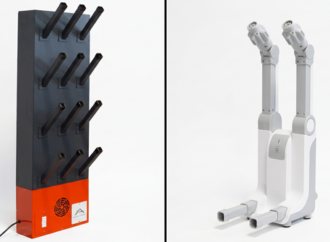
A gear dryer is built to dry multiple types of equipment at once—boots, gloves, helmets, pads, wetsuits—using several vented ports and adjustable airflow…
READ MORE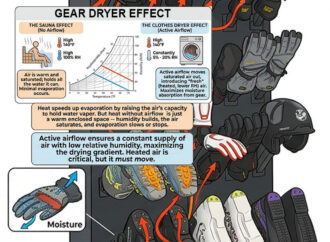
Every gear dryer listing leads with the same things: wattage, drying time, number of pairs, temperature output. These specs look useful. Most of them are not.
Buyers who focus on wattage end up with a powerful heater that barely moves air. Buyers who focus on capacity end up with a 12-pair unit where only the two ports closest to the motor actually work. Buyers who focus on temperature end up damaging liner materials they spent serious money on.
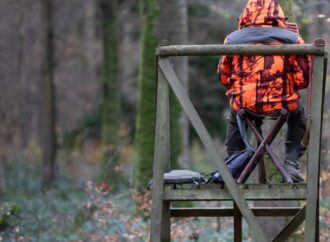
If you hunt anywhere east of the Rockies or north of the Mason-Dixon line, your boots get wet. Stream crossings, creek bottoms, dew-soaked predawn fields, snow-melt seeping through stitching, sweat from hiking in cold weather and then standing still in a stand — by the end of an opening-week morning, a typical hunting boot is carrying half a cup of moisture between the liner and the shell.
READ MORE
If your boots are wet every day, drying them properly isn’t a comfort question; it’s a foot-health, gear-cost, and (for some trades) safety question. Construction crews working in wet concrete and trench water, plumbers on slab repairs, linemen up poles in the rain, firefighters back at the station with bunker boots full of suppression water, EMS workers with bodily fluid contamination, oil-and-gas field workers in winter, dairy farmers in milking parlors these are people whose feet are wet 200+ days a year, often with boots that cost $200-$500 and need to last.
READ MORE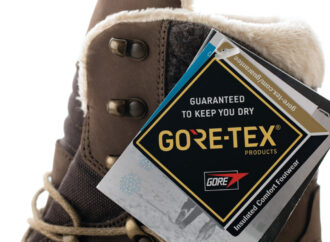
Anyone who has dropped $400+ on ski boots, $500+ on Gore-Tex hiking boots, or a few thousand on a custom-built mountaineering setup eventually asks the same question: is it actually safe to put this gear on a boot dryer?
READ MORE

No Question Too Dry (or Wet)
From first-time buyers to seasoned pros — ask anything about gear dryers and our team will get you sorted.