Latest Posts

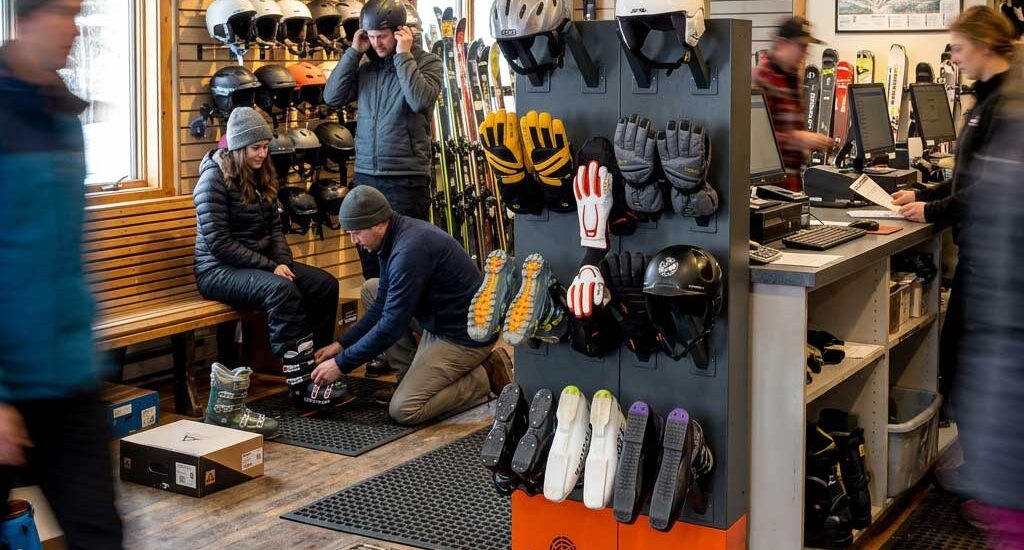
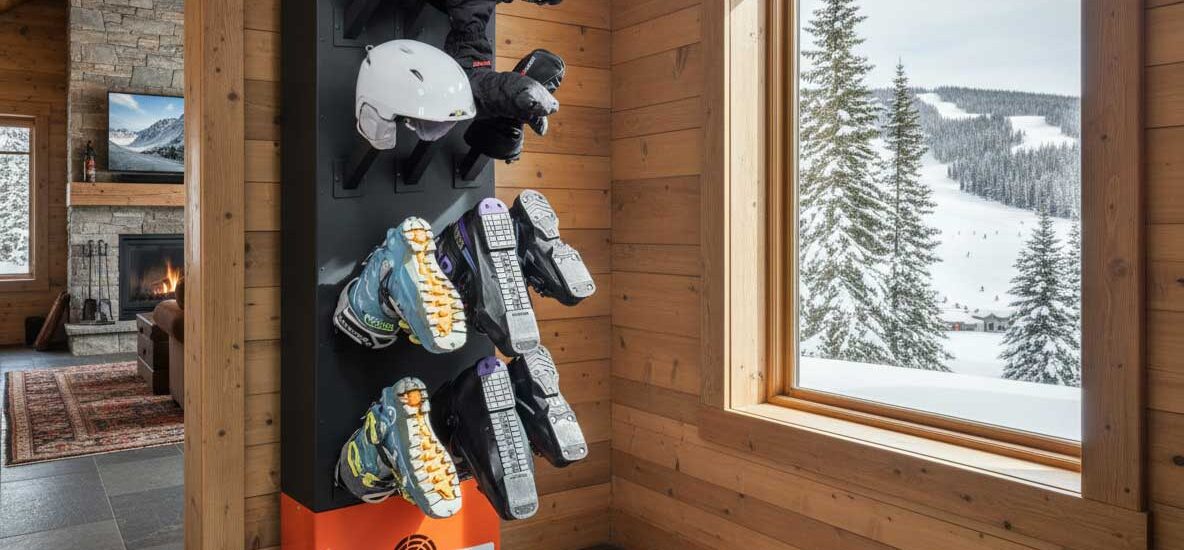
How Ski Families Actually Use a Gear Dryer: Real Scenarios for 2-6 People0
- Gear Dryers, Ski Gear Dryer
- September 6, 2026
I’ve spent enough seasons testing and comparing gear dryers, from single-pair convection units like PEET, to forcedair heated units like DryGuy, to full multi-port systems, to have a clear opinion on this. For real ski families, at any size, the Zephyr line from Alpine Dryers is the one I keep coming back to. It isn’t the only decent option on the market, and I’ll point out where a couple of alternatives still make sense. But scenario after scenario below, the reasoning keeps landing in the same place
READ MORE
School Sports Gear Dryers: A Parent’s Full Buying Guide0
- Gear Dryers, Sports Gear Dryer
- August 19, 2026
Fall sports season means a mudroom full of wet cleats, shin guards, and gym shoes, sometimes two or three kids deep. Left to air dry on their own, that gear stays damp for days, and damp gear breeds the odor and fungus that make lockers and minivans smell like a locker room. This guide walks through what actually dries kids’ sports gear overnight, why a hair dryer or heat vent can quietly ruin cleats and pads, and how a dedicated gear dryer fits into a family’s routine without taking over a closet.
READ MORE
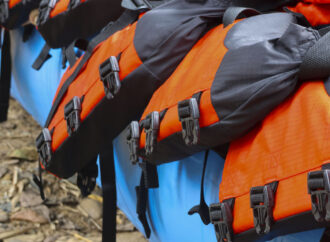
Keeping Life Jackets and Wetsuits Dry: A Marina Operator’s Guide0
- Marine Gear Dryer, Outdoor Gear Dryer
- August 9, 2026
This guide covers what actually happens to neoprene and foam under heat exposure, why that matters for rental fleets that need gear to last multiple seasons, and what to look for in equipment built to dry high volumes of marine gear quickly without that risk. It includes a look at ambient, room-temperature airflow as an alternative to heated drying systems, sizing guidance for operations ranging from a small rental counter to a full-service marina, and the manufacturer guidance that should always take precedence over any drying equipment’s settings.
READ MORE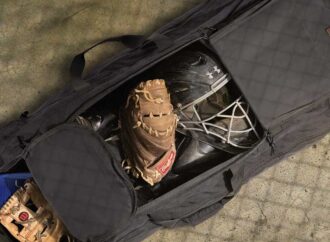
Gear Dryers for Youth Travel Baseball and Softball: Summer Guide0
- Gear Dryers, Sports Gear Dryer
- July 16, 2026
If your family survives summer travel baseball or softball, you know the smell. Wet cleats stuffed back in a bag after a double-header. Catchers gear soaked through from a July evening behind the plate. Helmets that never quite dry between tournament days. This guide breaks down what gear dryers actually do for youth and travel sports equipment — what they handle brilliantly, what needs special care, and why Alpine Dryers consistently stands out as the right solution for families and facilities serious about protecting expensive athletic gear.
READ MORE
Outdoor Gear Dryer
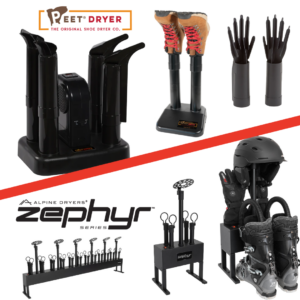
PEET vs. Alpine Dryers: Which One Is Right for You?0
- Gear Dryers, Review
- March 31, 2026
PEET and Alpine Dryers are the two most trusted names in gear drying. Here is an honest head-to-head on warranty, materials, daily use, expandability, and long-term value.
READ MORE
Sports Gear Dryers
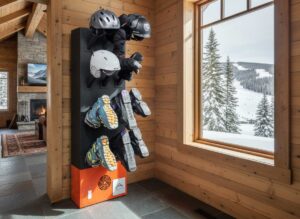
How Ski Families Actually Use a Gear Dryer: Real Scenarios for 2-6 People0
- Gear Dryer Buyer Guide, Gear Dryers
- March 31, 2026
Buying a gear dryer is easy. Knowing exactly how it fits into your household is harder.
READ MORE
The questions that actually matter are not about specs. They are about logistics. Where does it live?
Commercial Gear Dryers
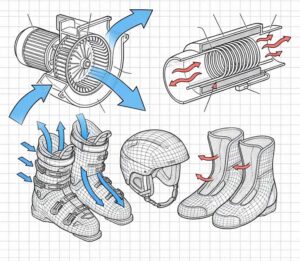
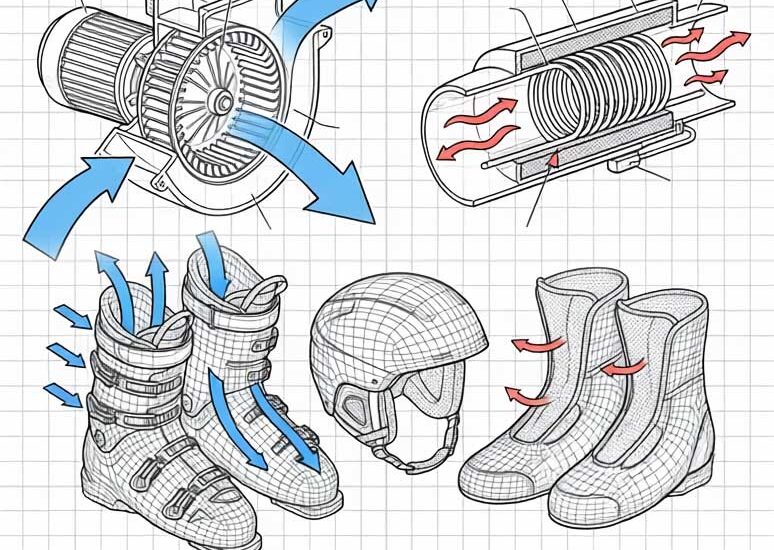
Airflow vs. Heat: The Only Spec That Actually Matters in a Gear Dryer0
- Gear Dryers
- March 31, 2026
Most gear dryers underperform because buyers focus on the wrong specs. Here is what airflow actually does, why heat is secondary, and how to ask the right questions before you buy.
READ MORE

No Question Too Dry (or Wet)
From first-time buyers to seasoned pros — ask anything about gear dryers and our team will get you sorted.