
How Ski Families Actually Use a Gear Dryer: Real Scenarios for 2-6 People
- Gear Dryer Buyer Guide, Gear Dryers
- March 31, 2026
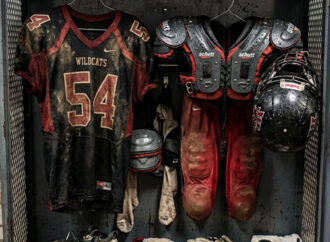
Fall sports season means a mudroom full of wet cleats, shin guards, and gym shoes, sometimes two or three kids deep. Left to air dry on their own, that gear stays damp for days, and damp gear breeds the odor and fungus that make lockers and minivans smell like a locker room. This guide walks through what actually dries kids’ sports gear overnight, why a hair dryer or heat vent can quietly ruin cleats and pads, and how a dedicated gear dryer fits into a family’s routine without taking over a closet.
READ MORE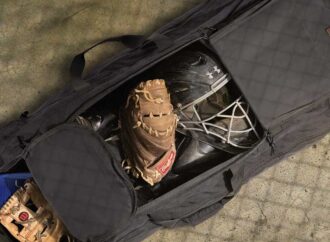
If your family survives summer travel baseball or softball, you know the smell. Wet cleats stuffed back in a bag after a double-header. Catchers gear soaked through from a July evening behind the plate. Helmets that never quite dry between tournament days. This guide breaks down what gear dryers actually do for youth and travel sports equipment — what they handle brilliantly, what needs special care, and why Alpine Dryers consistently stands out as the right solution for families and facilities serious about protecting expensive athletic gear.
READ MORE
Our reviewer’s guide evaluates the top gear drying solutions available to law enforcement agencies, covering why proper drying of turnout gear, boots, gloves, and body armor carriers is a health, safety, and budget issue — not just a comfort preference. Our longtime gear equipment reviewer explains the real consequences of improperly dried PPE, including bacterial growth, degraded protective performance, and accelerated material breakdown. Compare the leading dryer brands on the market — including Williams Direct Dryers, Ram Air, Alpine Dryers, and GearGrid.
READ MORE
If your boots are wet every day, drying them properly isn’t a comfort question; it’s a foot-health, gear-cost, and (for some trades) safety question. Construction crews working in wet concrete and trench water, plumbers on slab repairs, linemen up poles in the rain, firefighters back at the station with bunker boots full of suppression water, EMS workers with bodily fluid contamination, oil-and-gas field workers in winter, dairy farmers in milking parlors these are people whose feet are wet 200+ days a year, often with boots that cost $200-$500 and need to last.
READ MORE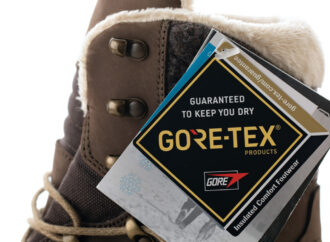
Anyone who has dropped $400+ on ski boots, $500+ on Gore-Tex hiking boots, or a few thousand on a custom-built mountaineering setup eventually asks the same question: is it actually safe to put this gear on a boot dryer?
READ MORE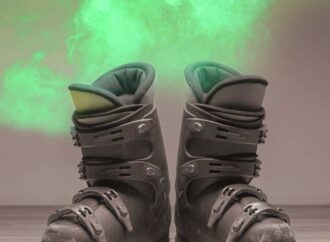
If you’ve ever opened a gear bag after a ski trip and questioned what crawled in there to die, you already know the smell. It clings. It survives febreze. It comes back within hours of using the boots again. And if you’ve been treating it as a sweat problem, you’ve been treating the wrong problem.
READ MORE
No Question Too Dry (or Wet)
From first-time buyers to seasoned pros — ask anything about gear dryers and our team will get you sorted.