Fall sports season means a mudroom full of wet cleats, shin guards, and gym shoes, sometimes two or three kids deep. Left to air dry on their own, that gear stays damp for days, and damp gear breeds the odor and fungus that make lockers and minivans smell like a locker room. This guide walks through what actually dries kids’ sports gear overnight, why a hair dryer or heat vent can quietly ruin cleats and pads, and how a dedicated gear dryer fits into a family’s routine without taking over a closet.
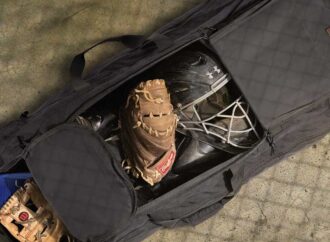
By the third week of fall sports, most households have a pile problem. Cleats from soccer practice, shin guards from two different kids, a pair of batting gloves nobody claimed, all damp, all sitting somewhere near the back door. Left alone, that gear takes a day or two to dry, and by then it’s back on a kid’s feet for the next practice, still slightly wet.
Wet gear isn’t just uncomfortable. Damp shoes and pads are where bacteria and fungus set up shop, which is why lockers and gear bags start to smell by October no matter how often they’re aired out. The CDC notes that keeping feet and footwear clean and dry is one of the simplest ways to prevent fungal infections like athlete’s foot, which thrive in warm, damp conditions such as shoes and locker rooms. The fix isn’t a bigger gear bag or a fan pointed at a closet. It’s getting the moisture out completely, every night, without relying on a kid to remember to prop everything up just right.
Why Air Drying Doesn’t Actually Work
Cleats, gloves, and closed-toe shoes are built to keep water out, which also means they’re built to trap water in. Set on a towel or stood up in a closet, they dry from the opening inward, slowly, and often incompletely. A shoe that looks dry on the outside can still be damp inside the toe box the next morning. Multiply that by two or three kids playing two or three sports, and a family never actually catches up.
The Heat Trap Parents Don’t Know About
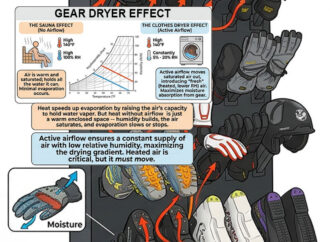
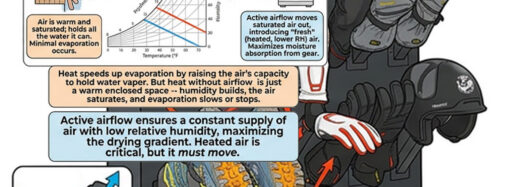
The instinct to speed things up with a hair dryer or a spot near a heating vent is understandable, and it’s also how cleats, batting gloves, and shin guard padding get quietly ruined. Direct heat dries out the glues holding shoes together, warps padding, and cracks leather over time. A gear dryer built around forced airflow rather than blasted heat gets the same result overnight without the wear and tear.
What a Family Actually Needs
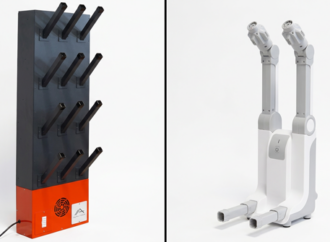
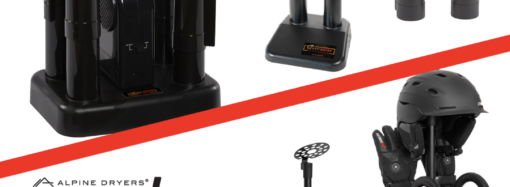
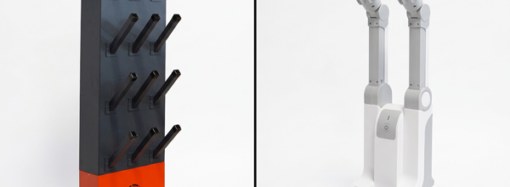
Most households don’t need a 12-port commercial unit built for a locker room. They need something sized to the number of pairs actually coming home wet on a given night, with room to grow as kids add sports. The Zephyr gear dryers are built for exactly this scale, with configurations from 2 pairs up to 12, in either a freestanding unit that sits in a mudroom or a wall-mounted version for a garage or basement.
What sets Zephyr apart from a box fan or a space heater is that it moves air at room temperature rather than heated air. That matters more than it sounds like it should. Cleats, batting gloves, and helmet padding all have glued seams and foam that degrade under repeated heat exposure. A dryer that skips the heat entirely removes that risk, which is one reason it’s a sensible starting point for a family cycling gear through daily practices for months at a time.
Sizing It to Your Household
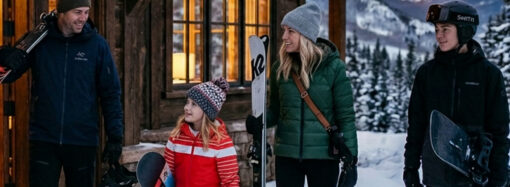
A single-sport family with one or two kids typically does fine with a 2- or 4-pair Zephyr unit, enough for cleats and a pair of gloves each night. Multi-sport households, or families with three or more kids in different activities, tend to outgrow a 2-pair unit by October and are better served starting with an 8-pair configuration. Ski and snowboard households can add the optional drying hoses for tall boots once winter sports start, without needing a second dryer.
Different Sports, Different Drying Problems
Not all wet gear behaves the same way. Soccer cleats and football cleats are mostly about the upper and the insole, so they tend to dry faster once air is actually moving through them. Baseball and softball gloves are a different story: leather doesn’t respond well to any kind of forced heat, and a glove dried too aggressively can lose its shape or crack at the pocket over time. Volleyball and cross country shoes, which are lighter and more breathable to begin with, still trap enough sweat after a hard practice that leaving them balled up in a gear bag overnight guarantees they’re damp again by morning. A household running two or three of these sports at once benefits from a dryer with enough ports to handle mixed gear types on the same night, rather than rotating one pair through a single-port unit.
What to Look for Beyond the Port Count
Port count gets the attention, but a few other details matter just as much for a family setting. An auto shutoff means nobody has to remember to turn it off before bed. A wall-mount option keeps a mudroom or garage from feeling cluttered. And because gear dryers see daily use for months at a stretch, durable, off-the-shelf hardware matters more than it does for something used a few times a year. For households weighing a compact family unit against a larger option, the FAQ on Alpine Dryers breaks down where a Zephyr-scale unit makes sense versus a larger PRO Series setup built for a full team.
Building the Habit
The gear dryer that works is the one that’s easy enough to use every night without thinking. Hang it up when a kid walks in the door, let it run its cycle, and gear is ready for the next practice before a pile ever forms. That’s the whole goal: not a bigger fix for a bigger pile, but removing the pile in the first place.
Frequently Asked Questions: Back-to-School Sports Gear Drying
How long does it take to dry cleats and shin guards overnight?
Most closed-toe sports gear fully dries in a single overnight cycle with a dedicated gear dryer, typically within the unit’s automatic shutoff window. Air drying alone can take 24 to 48 hours and often leaves the inside of shoes still damp.
Is it safe to use a hair dryer or clothes dryer on cleats and sports gear?
No. Direct heat from a hair dryer, clothes dryer, or heating vent breaks down the glue holding shoes together and can warp padding and crack leather over time. A gear dryer that uses forced airflow rather than direct heat avoids this damage.
How many ports does a typical family actually need?
A single-sport household with one or two kids is usually well served by a 2- or 4-pair unit. Multi-sport families or households with three or more kids in different activities typically need an 8-pair configuration to keep up.
Can one dryer handle cleats, gloves, and helmets at the same time?
Yes. Multi-port gear dryers are designed to dry mixed gear simultaneously, including cleats, gloves, and helmets, with helmet-specific attachments available on larger configurations.
Does a gear dryer work for winter sports gear too?
Yes. The same unit used for fall cleats and gloves can dry ski boots and gloves once winter sports start, especially with optional drying hoses designed for taller boots.
Is room-temperature air actually effective at drying gear?
Yes. Forced airflow at room temperature removes moisture just as effectively as heated air over a full cycle, without the risk of heat damage to glues, foam padding, and leather that comes with direct heat sources.
Where should a family gear dryer be set up?
Common spots are a mudroom, garage, or basement near where gear comes off after practice. Wall-mounted configurations free up floor space, while freestanding units offer more flexibility to move the dryer as needed.
Does a family need a commercial-size unit like a team or school would use?
Usually not. Commercial units are built for the volume of a full team or locker room. A family-scale unit sized to the number of pairs used nightly is typically a better fit and a smaller investment.
How much maintenance does a gear dryer need?
Very little. Units built with off-the-shelf, serviceable parts and durable construction typically need only occasional cleaning of the drying ports, with no special upkeep for daily household use.